

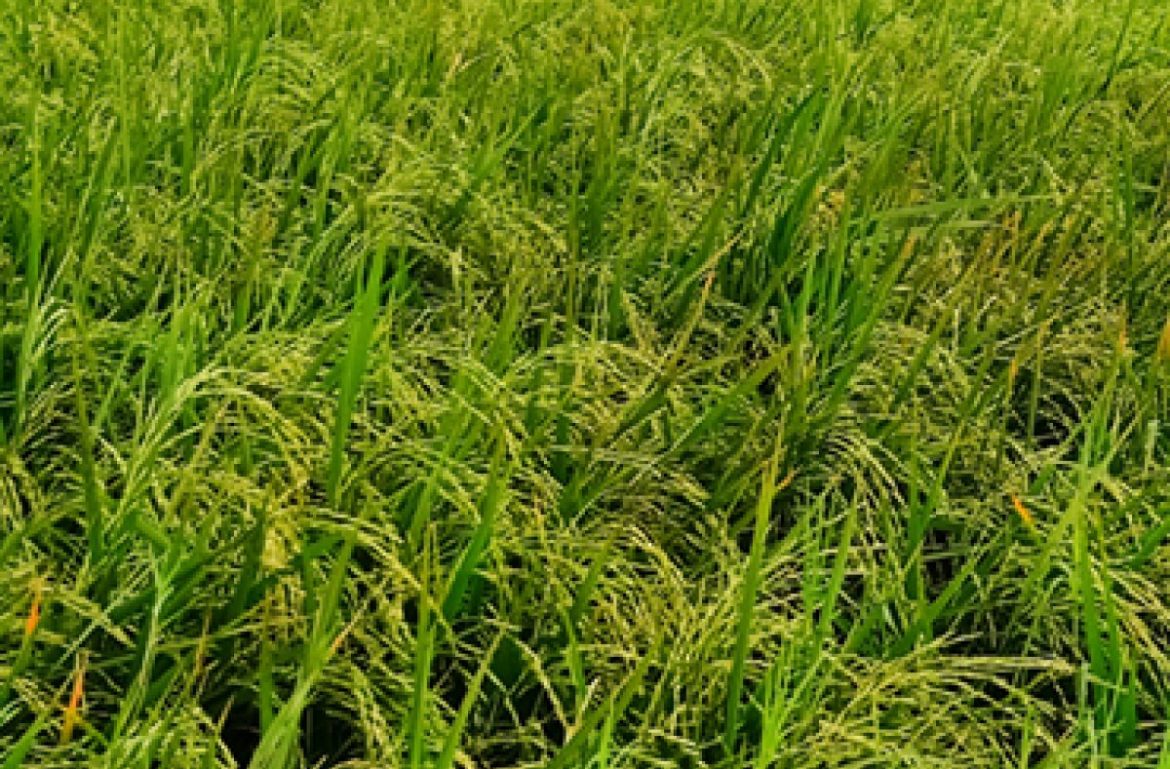
Crop Timeline
Date of sowing the nursery
2nd to 3rd week of June
Harvesting time
Between 2nd and 3rd week of October
Variety
Kissan Basmati
Kissan basmati 1509 is the first early maturing Basmati rice variety with seed-to-seed maturity of around 100 to 120 days
Land Preparation For Nursery
Land must be levelled before developing the nursery.
Method Of Sowing
Traditional method: make a small plot and spread seeds. After spreading seeds, spread FYM on seeds.
Nursery Maintenance
Irrigations should be done after a 3-day interval.
Weedicides
Vinsta
Land Preparation For Transplanting
After the possible harvest of another crop like wheat, from the field, the field is gone over twice by the cultivator. Where necessary, a rotavator might also be used. Land must be levelled by lazer technology. For transplanting of nursery, water the field to create the puddle condition before using a planker in the field drawn either by a tractor or in the case the latter isn’t available, by a bull. Shallow transplanting at 1-2 cm depth is recommended.
Transplantation
The best time of transplanting of nursery is after one month of sowing. Timely transplantation is critical and two plants per hill is recommended. For one acre of land, 80,000 hills and 160,000 plants are the recommended numbers. The recommended distance between plants is 9 inch.
Requirements
Raw material requirements
- Fertilizer
- Potash =1 bag
- MAP = 2 Bag
- Borax = 3 kg
- Urea = 2 bag
- Zink sulphate = 33% = 6 kg
For cocoly trial
- 2.5 cocoly
- 1.5 Kg Zink
- Insecticides
- 0.5 bag Potash
- Weedicides
- 0.5 MAP
- Fungicides
Seeds
- 8 kg per acre
Labour
- Permanent labour requirement: 2 persons.
Daily Labour
- Labour required for transplanting
- Labour required at harvesting time = 4 persons
- Labour required for pressing and transportation straw = 5 persons
Soil & Climate
Silt clay, silt clay loam and clay are the best soil textures for the cultivation of rice crop. The best soil for rice crop is fertile riverine alluvial soil. Addition of farm yard manure is the best way of increasing organic matter in soil. The best time of farm yard manure is 1 month before sowing of crop. After application of farm yard manure, and using plankers to spread it evenly in the field, the field is lightly irrigated to attain the proper condition whereby the ploughing becomes easier through the use of cultivator. Farmyard manure is therefore, mixed by cultivator.
Chemistry
Fertilizer
- MAP = 1 Bag = 46 kg = all DAP applied during sowing time
- Urea = 2 bag=46%=92=46 kg = 1 bag is applied after 15 to 20 days of sowing the remaining
- Urea applied after 40 to 50 days after sowings SOP =1 bag =all quantity applied during sowing time
For Trial
- SOP = 0.5 Bag = 25 kg
- P=3%
- K=5%
- Cocoly = 2.5 Bags
- N=15%
- MAP (N=12 % P=61%) = 0.5 bag
- Urea = 46 % = 0.5 bag
Fertilizer application
Application at base
- Cocoly = 1 bag = 20 kg
- MAP = 0.5 bag = 25 kg
- SOP = 0.5 Bag = 25 kg
First application
- Cocoly = 0.5 bag = 10 kg
- Urea = 12.5 kg
- Zinc 1.5 kg
Second application
- Cocoly = 0.5 bag = 10 kg
- Urea = 12.5 kg
Crop Maintenance
Number of Irrigations
Up to sixteen (16) irrigation cycles are required to grow rice. It is majorly dependent on the land water retention capacity so it varies from area to area. The thumb rule is that the soil should not crack due to the heat of the summer temperatures. There are four critical stages of Rice crop after transplantation.
- Tillering
- Panicle Initiation
- Heading
- Flowering
For Seed
(Rouging or uprooting off-type varieties)
Controlling Weeds
Weeds are a major concern for high productivity in aerobic rice crop. The pre planting herbicides like pendimethiline, stamp should be applied immediately after seeding. Then, at 30-35 days after sowing, when maximum weeds appear, post-emergence herbicides like clover can be used for effective control of grass weeds. For the control of deela etc, sunstar may also be used.
Potential Threats
Pests
- Grass hopper
- Yellow borer
- White borer
- Striped borer
- Pink borer
- Leaf folder
- Army worm
- Cut worm
- Aphid
Control
Fapronil 480 ml per acre or biphenthrine 250 ml per acres
Disease
- Bacterial blight
Causal organism Xanthomonas oryzae pv. oryzae = X. campestris pv. Oryzae
Symptoms
It causes wilting of seedlings and yellowing and drying of leaves. The disease is most likely to develop in areas that have weeds and stubbles of infected plants. It can occur in both tropical and temperate environments, particularly in irrigated and rain-fed lowland areas. In general, the disease favors temperatures at 25−34°C, with relative humidity above 70%. Bacterial blight can be severe in susceptible rice varieties under high nitrogen fertilization. Check for wilting and yellowing of leaves, or wilting of seedlings. On seedlings, infected leaves turn grayish green and roll up. As the disease progresses, the leaves turn yellow to straw-colored and wilt, leading to whole seedlings drying up and dying. To distinguish kresek symptoms from stem borer damage squeeze the lower end of infected seedlings between the fingers. Kresek symptoms should show yellowish bacterial ooze coming out of the cut ends. Unlike plants infested with stem borer, rice plants with kresek are not easily pulled out from soil.
Control
Use of potash or sulphur 800 g per acre or copper oxychloride 500 g or 250 g copper hydrooxychloride
- Alternaria leaf spot
Above-ground plant tissues at the seedling stage or on leaves of older plants show oval to circular spots, 3-10 mm in diameter. Lesions are tan, later becoming grey to white with a narrow, dark-brown border. Sclerotia appearing as small, black dots are produced in the center of older lesions on all infected parts. Alternaria padwickii is an asexually reproducing fungus that infects seeds of rice. It is one of several fungi responsible for seed discoloration, seed rot and seedling blight, but has also been detected as a sheath-rotting pathogen.
Control
Trifloxystrobin + tubaconazole 65 g or diphenaconazole 125 g or sulphur thivate
- Rice blast
Symptoms
Elliptical, whitish to grey lesions with dark-green to reddish-brown margins, up to 2 cm long form on leaves, which can coalesce and kill the leaf. Lesions can also occur on the leaf collar, culm and panicles. Under favourable weather, the fungus produces fructifications amphigenously on the leaf lesions. This disease occurs due to shortage of water.
Control
Trifloxystrobin + tubaconazole 65 g or diphenaconazole 125 g
- Natural disaster
Rice crops are also susceptible to natural disasters which are difficult to predict or plan for.
Harvesting
Timeline
Second to third week of October. Rice should be harvested 30 days after flowering. There should be 20-25% grain moisture, 80-85% of the crop should be straw-colored and grain should be in the lower part of panicle in hard dough stage. It is harvested by sickle or more easily through advanced combine harvester.
Managing The Harvested Crop
The harvested rice should be transported in a trolley attached to a tractor. Additional labour may be required for unloading the trolley.
Land Clearing
The remains of rice will be chopped with the help of chopped
Potential By Product
Chopped for increasing organic matter or making bundles
Requirements Of Field Implements
Chopped for increasing organic matter or making bundles
- Cultivator
- Rotavator
- Lazer leveller
- Combine harvester
- Pressing machine (to make bundle of straw)
- Tractor, trali
- Weather
Warning: A non-numeric value encountered in /home3/jinnbyte/fidakfarms.jinnbyte-staging.com/wp-content/themes/efarm/templates/content-recipe-archive.php on line 100
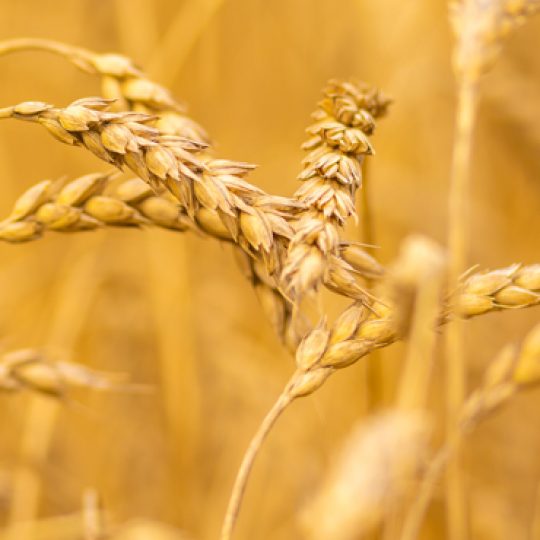
Wheat
Suitable varieties
Ujala 2016, Joher 2016, FSD 2008
Method of sowing
Mechanical sowing with seed driller and happy seeder zero tillage is both efficient and protects the nutrients in the soil.
Land
Preparation
Drill Sowing
Before sowing begins, the field should remain dry for fifteen days and should not be irrigated. At field capacity rotavate the land and then apply Disc Harrow to chop up any weeds and unwanted crop remains. Apply cultivator with planker once and before drill sowing.

Innovation
Happy Seeder (Zero Tillage) Cultivation
After cultivation of rice the crop residues spread over the field and zero tillage sowing is undertake using Happy Seeder. This will not only result in savings in the expenses associated with land preparation but will also be beneficial for the soil.
Requirements
Raw Material Requirements.
Seed:
50 Kg If Seed Germination Rate Is 70%.
Fertilizer:
1.5 Bags DAP, 2 Bags Urea, 1 Bag SOP, 3 Trolee FYM (Fully Decomposed). Znso4 6Kg: 33%
Seed:
1.5 Bags DAP, 2 Bags Urea, 1 Bag SOP, 3 Trolee FYM (Fully Decomposed). Znso4 6Kg: 33%
- Znso4 6Kg: 33%
- Boric Acid 2.5kg: 17%
Labour: At 45 acres of wheat cultivation one field labourer on a permanent basis and two on a daily wage basis may be acquired. Labour requirements are attendant upon fertilizer and spray application processes.
Soil & Climate
Silt clay, silt clay loam are the best soil textures for the growing of wheat crop. It grows best when temperatures range from (21° to 24° C). Wheat also needs a lot of sunshine, especially during grain formation. Areas with low humidity are better since many wheat diseases thrive in damp weather.
Seed Treatment:
Seed treatment is essential with suitable fungicide to preserve seed from different fungal diseases. Apply 2ml of Derosil 2ml for every kilogram of seed.
Crop Maintenance
Irrigations Application:
Four cycles of irrigations are required for the wheat crops. Wheat needs 12 to 15 inches of water to produce a good crop. Irrigation cycles depend on weather conditions, the amount of rainfall and the temperature. The recommended schedule for the four cycles of irrigation is as follows:
- 1st irrigation 25 days after sowing.
- 2nd irrigation 60 days after sowing.
- 3rd irrigation 90 days after sowing.
- 4th irrigation 110 days after sowing.
Fertilizer Application:
- At the time of sowing 1.5 bag DAP, 0.5 Bag urea and 1 bag SOP should be applied at the base of the crop.
- During the first or second irrigation cycle, one bag of urea may be applied.
- As grain is forming Zinc and Boron should be applied.
The schedule for the application of fertilizer is as follows:

Note:
These recommendations are for the soil having O.M (0.86-1.29) Phosphorus (7-14 ppm) potash (80-180ppm).
Weeding:
Weeds affect 20-25 percent of wheat yield. Common weeds include dumbi sitti, jangli jai, jangli palak, and pohli.
- Chemical Control: Suitable Pre emergence herbicide should be applied.
- Environmental Control: It is recommended that crop rotation should be done for wheat fields in two to three years.
Potential Threats:
Pests that affect the wheat crop include Aphids, Borer, Thrips, Cereal Leaf Beetle, and Wheat Stem Maggot.
Chemical Control: Suitable insecticide should be applied in case of an outbreak. Thiamethaxum and cloriperifast are effective against pests that adversely affect the wheat crop.
Disease
Wheat Rusts
These are amongst the most destructive diseases globally and have the ability to destroy the entire wheat crop and to form new mutations that can attack previously resistant cultivars. Wheat rusts are the most devastating and harmful among all of wheat diseases. Leaf rust, stem rust, and stripe rust are the three rust diseases of wheat. These diseases have the capacity to move long distances with the potential to develop rapidly under favourable environmental conditions resulting in serious yield losses. Weather plays a key role in the development of rust epidemics. Cool nights followed by warm days and long periods of dew or a wet wheat canopy are ideal conditions for rust to flourish. Under unsuitable conditions the disease does not flourish.
Chemical Control
The disease can be controlled through the use of any suitable fungicide (Tilt).
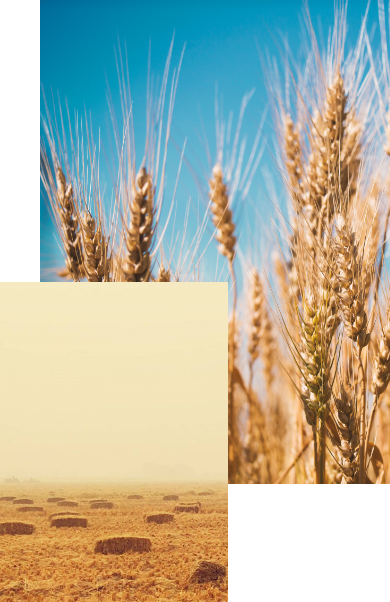
Natural
- Disaster
- Frost
- Damage
- Hale storm
Harvesting:
Between 2nd and 3rd week of April
Wheat is harvested during the second and third week of April, when the grain has attained a hard stage, retains 20-25% grain moisture, and the entire crop gives a straw coloured appearance. Harvesting of wheat should be done using a combine harvester. In the case of rain, harvesting should be put on hold until the weather conditions became more favourable for harvesting. A channel has to be prepared to allow the accumulated rainwater to drain out.
Managing The Harvested Crop:
Harvested wheat will be transported in trolley attached to a tractor. Care should be taken during the loading and unloading process and suitable arrangements should be made for the labour involved.
Land Clearing
The remains of wheat will be chopped with the help of a chopper. Good management of crop residue has potential benefits including control over erosion and efficiency in irrigation.
Potential By-Product
The crop residue is chopped up for increasing organic matter or for making bales of straw which have a variety of uses including fodder and bedding for livestock, fuel and thatching for roofs.
Required Field Implements
- Cultivator
- Rotavator
- Laser Leveller
- Combine Harvester
- Pressing Machine for making bales of straw
- Tractor and Trolley
Crop Timeline
The total duration involved in wheat cultivation, from seed to maturity of grain, is between 120-130 days. The sowing starts in the middle of November and the crop is harvested in April, between the 10th and 20th of the month.
Warning: A non-numeric value encountered in /home3/jinnbyte/fidakfarms.jinnbyte-staging.com/wp-content/themes/efarm/templates/content-recipe-archive.php on line 100
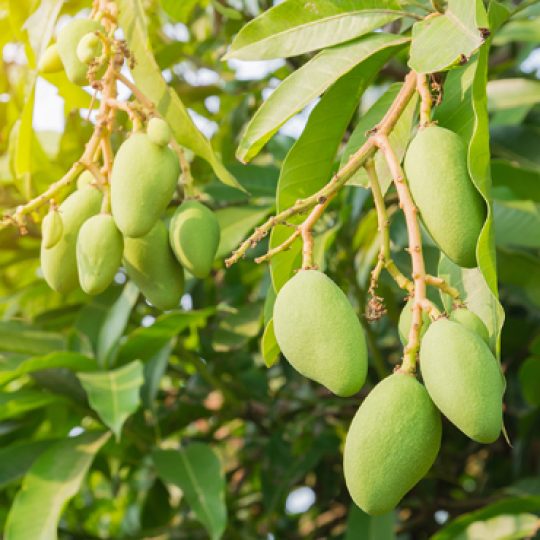
Mango Protocol
Introduction and Importance
Sub-continent is the habitat of mango, where it has been growing for over 4,000 years and subsequently spread to tropical and sub-tropical regions. Mangoes are full of nutrients, excellent source of vitamins A and C as well as potassium, and rich in Anti-oxidants.
The mango is the national fruit of India, Pakistan and the Philippines. It is also the national tree of Bangladesh. Mango is the major fruit crop in Pakistan. The main mango growing districts in the Punjab province are Multan, Bahawalpur, Muzzaffargarh and Rahim yar Khan. In the province of Sindh it is mainly grown in Mirpur Khas, Hyderabad and Thatta.
Eating habits of mango differ from country to country. In Thailand and other South Asian countries, sweet glutinous rice is flavored with coconut and served with sliced mango as a dessert. In Pakistan people prefer to eat it fresh through cutting or squeezing.
Mango fruit is a large drupe. The skin is epi-carp and the pulp is meso-carp and the woody seed inside is endocarp. Mangoes are well established as an item of international trade because of their superb taste and quality, Pakistani mangoes sells at good prices in Europe, Canada, the Gulf and eastern countries.

Soil And Climatic Conditions
The ecological conditions suitable for mango cultivation: Mangoes are grown on tropical and subtropical regions in the world and having wide range of soil types, but deep, well drained sandy loam soils give the best results. A hot and humid climate is suitable for mango. In areas with heavy rainfall, fruit may be affected. Suitable temperature range is 20-40 °C. Low temperature is extremely harmful. Frost and hot air can cause damage to the tree. Young plants need protection to the frost and hot wind.
Orchard Layout
Each grid system has its own pros and cons. It solely depends on the farmer’s choice which orchard management practices to implement. There are three grid systems discussed below which are known best grids for mango orchards in this region. Fidak Farms also provide consultancy services and management services for orchard establishment and development according to regional climatic conditions. Fidak farms charged against his services.
20×20 Grid System
Mango early varieties like Sindhri, Anwar Ratool, Dosehri, Langra, Malda Ceroli and Mosmi Chonsa are planted in the square system at 20×20ft. Planting distance depends upon soil, climate, and system of orchard management. The plant population at 20×20ft system is 108 plants per acre. Transplanting is done in well prepared soil and pre-dug pits during March and September.
Figure: square system of orchard layout

Advantages Of 20×20 Grid System
- Increased quantity of plants per acre that will increase the yield after proper canopy management.
Disadvantages
- Increased cost of canopy management.
- Short Margin for any delay in pruning.
- Greater chances of affecting extreme weather conditions.
- Short Margins for any mismanagement in tree calendar.
- No space for inter cropping.
- Opportunity cost is high.
Advantages Of 22×27 Grid System
- Plant population is 73 plants per acre
- Suitable for all early as well as varieties.
- Suitable for attaining ideal plant canopy.
- Provides a 2 ft. window for light and aeration to the plant.
- Higher area of vegetative mid-section exposed to sunlight at tree canopy that provide higher quality fruit.
- Provides space for green manuring.
- Provides space for management practices.
Disadvantages
- Less population than 20×20 grid.
- Short Margins for any mismanagement in tree calendar.
- No space for inter cropping.
Advantages Of 40×40 Grid System
- Plant population is 27 plants per acre.
- Suitable for all varieties early and late.
- Provide 4 ft. window for light and aeration to the plant.
- Higher vegetative area exposed to sunlight at tree canopy that provide higher quality fruit.
- Opportunity cost is low.
- Provides space for green manuring.
- Provides space for management practices.
- Provides space for inter cropping.
Disadvantages
- Less population than 22×27 grid.

Seedling Development (Propagation And Cultural Practices)
Mangoes are propagated both sexually and asexually. Sexual propagation to raising root stock is now restricted in Pakistan because it is not true-to-type (does not give yield as parent plants yield). To raise rootstock of mango seed is sown in July-August in manure bricks. Seeds are shifted in August-September to beds when their leaves turn green. These seedlings remain there for a year until they attain suitable height and thickness. They are propagated with asexual propagation by side or veneer-top grafting.
Transplanting
Transplanting of Mango plant is done during (September to October) and spring season (February to March). The plants should be irrigated just after planting.
Irrigation
Irrigation depends on the type of soil, climatic conditions, rainfall and the age of the trees. No irrigation is required during the monsoon months unless there are long spells of drought. To stop vegetative growth of fruit bearing trees, not to be irrigated in the month of October and November that boost the flowering of the plant.
Table 1: Irrigation Schedule for Mango

Fertilizer Application
Addition of correct amount of fertilizer at the right time is essential for commercial production. Apply micronutrient according to recommendation after soil testing. Soil testing should be done after fruit harvesting every year.
Table 2: Fertilizer Application for Under 10 year Age of fruiting Plants

Table 3: Fertilizer Application for above 10 years plants

Orchard Floor Management
Orchard floor should be clean and free of weeds. Dropped and rotten fruit should not be allowed to remain at the floor. After harvesting orchard floor should be rotavated with rotary slasher. Sunlight should penetrate to the orchard basin for killing of harmful insect and pests and growth of beneficial insects and pests.
Pruning
Mango usually assumes a graceful dome shape shading the main trunk. For mature trees after harvesting diseased, dried, broken branches and those branching touching to earth should be pruned off. Light should reach below the canopy at basin.
Harvesting
Picking should be done when fruit is fully developed and mature. Natural drop of the fruit is the indication that fruit is ready for picking. Different varieties ripen at different times. In Punjab ripening starts from June and continues up to the mid of August. Expected yield vary from 40 to 100kg per tree.
Plant Protection Measurements
Picking should be done when fruit is fully developed and mature. Natural drop of the fruit is the indication that fruit is ready for picking. Different varieties ripen at different times. In Punjab ripening starts from June and continues up to the mid of August. Expected yield vary from 40 to 100kg per tree.

Malformation
It is a serious threat to mango in Pakistan. It affects both vegetative part and inflorescence. Malformed branches show stunned growth on bunchy leaves that’s called bunchy top. Most of the flowers on the malformed inflorescence are male and fruit is hardy. The cause is not yet known. Good management reduces the problem to some extent.
Alternate Bearing
Most of the commercial varieties of mango tend to produce crops in an alternate or biennial pattern. The factors affecting it are environmental, physiological and genetic. Environmental factors like heavy rains, hail, disease and insect attack at blooming cause heavy damage which results in lower yield that year. There is no established control measure, but improved cultural practices including de-blossoming and control of pest and diseases.
Cultural And Management Practices
Other natural measures can also be carried out to minimize or control these pests and diseases.
- Only healthy seeds, seedlings and plants should be used for planting and budding or grafting.
- Intercropping, mix cropping, cover cropping and/or multiple cropping in or in the surrounding of mango orchards must be avoided so that similar possible pathogens of the sown crop and mango (both) may not multiply and spread in orchards.
- Irrigation must be applied as per requirement, and not subject to availability.
- Avoid high doses of nitrogen fertilizers, but apply proper and balanced fertilizers, on the basis of soil type, age and need of the tree.
- Proper sanitation of orchards and pruning of trees (eradication of disease causing organisms through removing and burning of diseased plants or plant parts) helps to reduce the infection and growth, development and further spread of the disease causing fungus or so.
- Burning of all the infected leaves.
- Use Six pheromone traps per acre to reduce the male population.
- Provides space for inter cropping.
- Recharge traps after 15 days.
- Regular picking of dropped fruit.
- Deep burying of pest infested fruits in pits.
Precautionary Measures Against Frost
Mango trees are very sensitive to frost and get damaged if not properly protected. Make your plants ready to face the frost by offering water stress a month before the winter season. The proper coverage of small plants, irrigation of orchards before the expected frost spell during critical frost expected nights are useful practices to minimize the plant damage. However, spray of lime solution on small plants is also one of the best tools in management against frost.
Warning: A non-numeric value encountered in /home3/jinnbyte/fidakfarms.jinnbyte-staging.com/wp-content/themes/efarm/templates/content-recipe-archive.php on line 100
Introduction
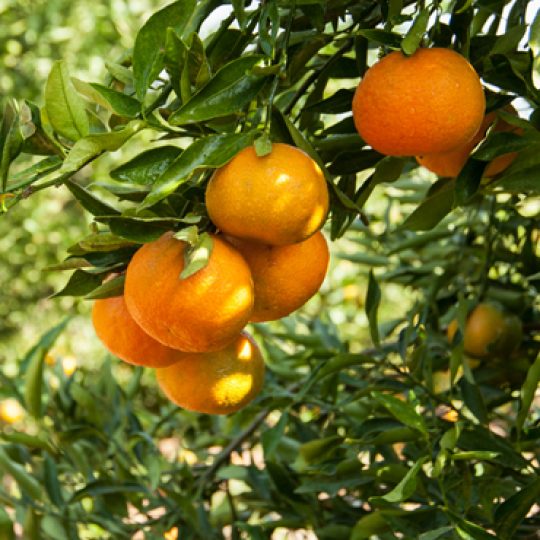
Pakistan is blessed with a climate ideally suited to the farming of all kinds of fruits–succulent and rich in taste. Farmers have been developing new varieties of fruit by grafting one exotic variety upon another.
Season of Kino in Pakistan starts from December and last till April. Kinnow is very delicious in taste and if treated with proper fungicide and wax and careful handling and storage of Kinnow at about 4 Degree Centigrade can retain its freshness until 2 months. Pakistan is one of the few countries in the world where some of the varieties of fruits grown in cool temperate climate such as apples, pears, plums and cherries while in warm temperate climate such as apricots, grapes, pomegranates and melon and in tropical and subtropical climate such as bananas, mangoes, dates, guava and citrus so the fruits are usually available throughout the year.
Propagation
All the improved varieties are propagated by means of budding on rough lemons or sour orange. Rootstocks are generally grown through seed, T budding/T grafting are the usual method of citrus cultivars propagation. Budding may be done during spring (Feb-March) and autumn (August-October) when bark slip freely from both scion and stock. Bud should be selected from mature wood of productive and healthy trees. In sweet lime propagation through cutting is a common method.

Soil and Climate
Citrus trees can be grown on a wide range of soils, including deep sandy loam, loam and clay loam. However, they do not grow well in very heavy, clayey, sandy, and alkaline or water logged soils. Citrus fruits trees are grown in tropical and sub-tropical climate. Temperature is the main factor affecting, time of blooming, maturity, producing and fruit quality of citrus.
Pruning
At the time of transplanting the top portion should be balanced with the roots by removing some of the leaves, if necessary. Annual pruning is done to remove dried, diseased and those branches overcrowding the top of the tree. For a young citrus tree to have good frame work, no branches should be allowed on the main stem and two to four evenly spaced main limbs should be selected to provide a balanced frame work. In Pakistan however, no systematic pruning is followed except for removal of dried, diseased and unwanted twigs.
Water Management
The preferred method of irrigation is a basin round each tree the size of. There should be channels connecting basins so that irrigation of fruits trees can be independent of the intercropped area between the tree lines which have different water requirements. Growth sensitive periods to water shortage are flowering time (Feb/Mar), fruit setting (Apr/May).
Fertilizers and Manures
- Apply FYMs at the rate of 40 to 80 kg per tree during the winter season in Dec/Jan before flowering.
- Apply 3-4 kg SSP and 1.5 to 2 kg of Urea 15-20 days (Jan/Feb) before flowering.
- Supply a further amount of Urea of 1.5 kg per tree after fruit setting (Mar/Apr).
- If necessary 1.5 kg of Potassium Sulphate may be applied at the time of applying FYM.
- Watering is essential after each application of fertilizer.

Pests and Diseases
Aphids:
These are small brown colored insects. They suck the sap from the leaves and branches and cause great damage to trees and reduction of yield. Aphid attack is severe during Feb and April. Use Dizenon 40% or Eldrine 20%, 1 kg in 450 litres of water. Insecticides should not be applied within 6 weeks of marketing the fruit.
Citrus Leaf Minor:
This attacks the leaves. The attacked leaves become curled and deformed. If causes great losses in growth and yield. Use Malathion 57 or Matasystox 50% at the rate of 500 grams in 450 litres of water per acre for its control.
Lemon Butterfly:
This also attacks fresh leaves. It can be controlled effectively by using Malathion and Metasystox.

Red Scales:
These are sucking types of insects and cause great damage to Kinnow and sweet oranges in Punjab. They can survive throughout the year. Use Parathion or Malathion at the rate of 752 grams in 450 litres of water per acre for its effective control.
Root Rot:
This is a fungus which attacks the root of the trees. Its attack is severe in poorly drained soils. The affected tree gradually dries up. Remove the soil from around the affected trees without damaging the roots and improve on farm drainage for its effective control.
Citrus Whitefly:
This attacks the fruits and causes great losses in yield and quality. This pest can also be controlled by using Malathion 57%. This should not be applied within 6 weeks of marketing the fruit.
Wither tip:
This disease is caused by nutritional deficiencies. The branches and fruits of the affected trees start drying and the tree becomes uneconomical to maintain. Apply a balanced dose of Bordeaux Mixture 450 after cutting affected branches from the trees.
Citrus Canker:
This is a bacterial disease. It attacks leaves and the fruits. It forms canker like spots on the leaves and stems of the fruit causing great reduction in yield and quality of the fruit. There is no effective treatment for this disease except to cut and remove the affected trees and spray Formaldehyde at the spots from where the diseased trees have been removed.
Harvesting
Picking of citrus fruits is done almost throughout the year. The fruit should be picked when it is fully ripe. It will not develop taste or sugar in storage after picking. The best method is to pick the individual fruit by holding it in one hand and cutting the stalk with a knife and collecting it into boxes or baskets to avoid injury to the stem. The average yield in numbers expected from different types of fruits in various species is around 500 to 1000 per tree.
Warning: A non-numeric value encountered in /home3/jinnbyte/fidakfarms.jinnbyte-staging.com/wp-content/themes/efarm/templates/content-recipe-archive.php on line 100
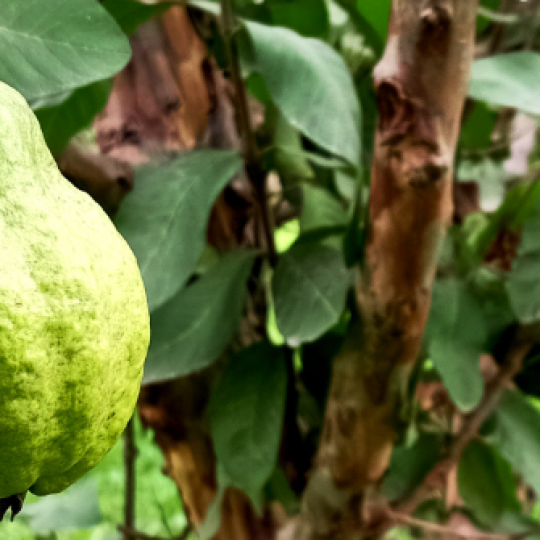
It is one of the most gregarious fruit tree species of the Myrtaceae family which has a great potential for extensive commercial production because of its cultural integration, high nutritional value and popularity of processed products.
It is usually grown in open areas, second-growth forests, and backyard or as part of a mixed orchard. Botanically, guava is a small tree that reaches a height of up to 33 feet; with spreading branches; smooth, thin, copper-colored bark that flakes off showing greenish layer beneath; trunk reaches a diameter of 25 cm.
Soil and Climatic Requirements of Guava
Guava can be grown in almost all types of soil but thrives best on well-drained clay loam to sandy loam soil rich in organic matter with PH ranging from 5.0 to 7.0. It prefers dry climate with well-distributed rainfall throughout the year, although it is somewhat drought tolerant. For fruit production, it is recommended that guava trees are not planted in areas with high wind velocity.

Land Preparation
Land is prepared during the summer season by ploughing, harrowing, levelling and removing weeds.
Planting
Planting Material
Plants are vegetative, propagated by budding, inarching or air layering.
Planting Season
Plants are vegetative, propagated by budding, inarching or air layering.
Spacing
The plants are usually planted at a distance of 5-8 m. The exact planting distance is decided according to variety, soil fertility and availability of irrigation facilities.
Standard spacing is 6 m. x 6 m. accommodating 112 plants/acre. By increasing the plant density, productivity can be increased. A spacing of 6 m. x 6 m. with a population of 110 plants per acre was commonly observed in areas covered during a field study and is recommended.
High density planting causes erect growth of branches making the plant tall, compact and also gives higher yield/unit area in early years of fruiting.
Planting Method
Square system of planting is generally adopted. Pits of 1x1x1m. size are dug in March and September and filled with a mixture of farmyard manure and soil.
Nutrition
Time of fertilizer application depends on the region and crop variety. Fertilizer is applied in the first week of May for rainy season crop and in first week of July for winter season crop.
The plants are manured twice a year: first, during June-July and second, during October. A fertilizer dose of 600 g. Nitrogen, 400 g. Potash is recommended.
Irrigation
Guava is mostly grown under rain fed conditions. During winter season, irrigation is provided at an interval of 20-25 days and in the summer months it is provided at an interval of 10-15 days by the ring method.
Training & Pruning
Training of plants in young stage is essential in order to build a strong framework and to avoid weak crotches. Fruiting trees are pruned to check overcrowding in the orchard. The plants are trained as low headed trees to facilitate multiple hand pickings. Pruning is usually recommended after harvesting or in spring. Summer pruning is generally avoided as the plants get damaged due to sun burn.
Intercultural Operations
Weeds are usually removed by shallow cultivation. Green manuring is usually done during rainy season. Pre-emergence use of diuron (1.6 kg. /ha.), oryzalin (1.67 litres/ha.), simazine (1.6 kg./ha.) or atrazine (1.6 kg./ha.) has been found to be effective in control of weeds in guava orchards.
Mulching
Dry leaves or straw are used as mulching material. Mulching can also be done either with black polyethylene sheet or with organic materials.
Mulching the soil at least twice a year helps in conserving moisture and improving the fruit quality.
Inter-Cropping
Leguminous crops or vegetable can be grown as intercrops during the first three years of planting provided irrigation facility is available.
Plant Protection Measures
Insect Pests
The insect pests mostly observed are fruit fly, stem borer, bark eating caterpillar, thrips, nematodes, mealy bug and scale insect.
Spraying with malathion (2ml.), phosphamidon (0.5ml. per ltr. of water), monocrotophos, dimethoate etc. has been found to be effective in most cases.
Apart from that adoption of suitable cultural practices and destruction of infected plants needs to be done.
Diseases
The main diseases reported are wilt, fruit canker, fruit rot, anthrachose and grey leaf spot.
Application of Carbendazim / Thiophanate methyl(1g./l) or Kavach / Mancozeb (2 g/l) depending upon the type of infection has been found to be effective in controlling the diseases.
Disorders
Fruit drop is a serious disorder in guava resulting in about 45-65% loss due to different physiological and environmental factors.
Spraying of GA has been found to be effective in reducing the fruit drop in guava.
Bronzing of guava has been observed in places having low soil fertility and low pH. Affected plants show purple to red specks scattered all over the leaves.
Under aggravated conditions, total defoliation and fruits characterized with brown colored patterns on the skin, with reduced yield are noticed.
Foliar application of 0.5% ammonium phosphate and zinc sulphate in combination at weekly intervals for two months reduces the bronzing in guava.
Pre-flowering sprays with 0.4% boric acid and 0.3% zinc sulphate increase the yield and fruit size.
Spraying of copper sulphate at 0.2 to 0.4% also increases the growth and yield of guava.
POST HARVEST MANAGEMENT
Grading
Fruits are graded on the basis of their weight, size and color.
Storage
The fresh fruit has a short shelf life and distant marketing can be done only if it is properly stored.
The shelf life can be extended up to 20 days by keeping them at low temperature of 5°C and 75-85% relative humidity.
It can be stored for about 10 days at room temperature (18-23°C) in polybags providing a ventilation of 0.25%.
Warning: A non-numeric value encountered in /home3/jinnbyte/fidakfarms.jinnbyte-staging.com/wp-content/themes/efarm/templates/content-recipe-archive.php on line 100
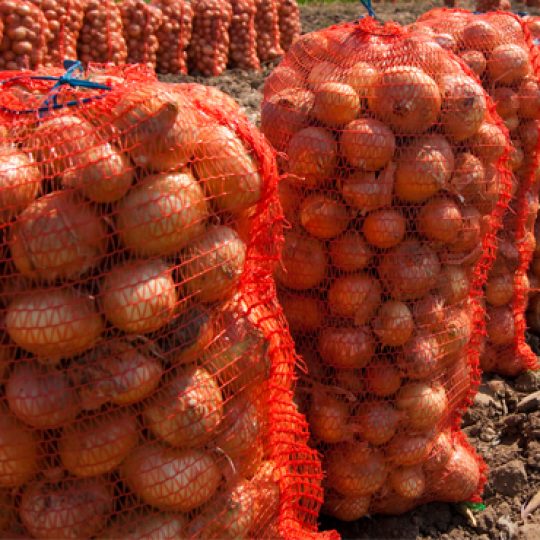
Onion (Allium capa L.) is one of the important vegetables widely used in all households. Pakistan attained the 8th position globally with 2.25% share in world onion production (FAOSTAT, 2011). There are several uses for onions including, pickling, chutney, sauces and dehydration. The onion is a hardy, cool-season biennial crop but is usually grown as annual crop. The onion has narrow, hollow leaves and a base which enlarges to form a bulb. The bulb can be white, yellow, or red and require 80 to 150 days to reach harvest. Recent research has suggested that onions in the diet may play a part in preventing heat stroke, disease and other ailments. Onion bulb is rich in phosphorus, calcium and carbohydrates. The pungency in onion is due to a volatile oil known as allyl-propyl disulphide.
Climate
Onion is a cool season crop, its optimum temperature for seed germination ranges from 20-25 °C, early growth stages before bulbing require 13 to 20 °C and bulb development needs 16 to 25 °C. Best growth and quality is obtained when the temperature is cool during the early development and warm near maturity. A dry atmosphere at harvest is desirable to obtain satisfactory curing of the bulbs. The onion is fairly resistant to frost injury, but not immune.

Soil Conditions
Onion can be grown on a wide range of soils preferably sandy rich loam, well-drained containing sufficient organic material to retain soil moisture for proper growth. Soil with pH from 6 to 7 is suitable for optimum crop growth. Hard soils induce the bulbs to be small and irregular in shape. Adequate quantity of manure and fertilizer is necessary for successful onion production.
Varieties
Onions start bulb formation when the day length is of the proper duration and different varieties of onions require different day lengths to initiate bulbing. In general, most common varieties fall into one of two classes, long-day (for northern latitudes) and short-day (for southern latitudes). For this reason, onion varieties that are grown in the South are not adaptable to the North and vice versa. Onion varieties grown in Pakistan are given below:

Seed Rate
2-3 kg per acre seed is required for Nursery production but if the germination rate of a variety is very good then 1 kg is enough for per acre.
Time Of Sowing, Transplanting And Harvesting:
Province-wise nursery sowing, transplanting and harvesting times of onion are given below:

Land Preparation
Proper land preparation is very important to ensure a uniform stand and higher onion bulb yield which can be achieved following below mentioned practices. The soil should be deep turned at least three to four weeks prior to planting, using a moldboard plough. The soil should be ploughed to the depth of 15 to 20 cm and one or two planking are sufficient to get good tilth and leveled seedbed. Land must be leveled in order to irrigate the plants properly. Although onion has limited root system but is very responsive to manures and commercial fertilizers.
Production Methods
- Sowing seed directly in the field.
- Sowing in a seedbed from which the plants are transplanted later to the field.
Fertilizer Requirement
A supplementary dose of one bag of ammonium sulphate per acre should be applied one month after planting. Another dose of one bag of ammonium sulphate may be applied at the time of bulb formation. Generally excess of nitrogen causes onion bulbs to become less firm. Similarly, late application of nitrogen as top-dressing should be avoided, as it causes thick-necked bulbs. A good combination of potash and phosphate promotes firmness of bulbs and regular ripening.
Nitrogen
Nitrogen, especially in nitrate form, is extremely leachable. If too little nitrogen is available, onions can be severely stunted and more susceptible to diseases. High nitrogen application rates produce a succulent plant that is more susceptible to the production of flower stalks. Onions highly fertilized with nitrogen do not store well. Excess nitrogen late in the growing season delays maturity and causes doubling.
Phosphorus
Phosphorus is essential for rapid root development. It is found in adequate levels in most soils but is not very available at low soil temperatures. Because of these factors, it is best to band at least part of the phosphorus about three inches below and to the side of the transplant at setting.
Potassium
Potassium if applied in a concentrated band near the plant can result in damage and stand reduction. Potassium is also subject to leaching from heavy rainfall or irrigation. Apply potassium in small amounts throughout the growth of onions.

Nutrient Deficiency Symptoms Of Onion
Nitrogen
- Leaves are light green
- Older leaves die, showing bleached yellow color
- Leaves are small
Phosphorus
- Older leaves wilt
- Tip die back
- Green areas are mottled
- Dead leaves turn black
Potassium
- Older leaves first show slight yellowing
- Leaves wilt and die; drying begin at tips of older leaves
- Poor bulb formation

Irrigation
An onion continues to produce new roots (three or four per week) throughout the entire growing season as older roots die. Root growth is most active during early plant growth. Proper soil moisture is critical for continuous root growth and for supplying the needs of the foliage and bulb. Make sure good soil moisture exists before and after seeding, transplanting or setting sets. Prior to emergence and during the first three weeks of seedling growth, it is essential that adequate moisture be maintained in the top three to four inches of the soil. The onion has a shallow root system, with most of its roots in the top 12 inches of soil. First irrigation is given immediately after sowing and transplanting. Thereafter, onions are usually irrigated after ten days interval which can be increased or decreased according to climatic conditions. Irrigation must be discontinued before neck fall, to allow the bulbs to ripen off. Over-watering just before harvest can increase disease, splits and doubles.
Harvesting
Onion is harvested depending upon the purpose for which the crop is planted. Onion crop is ready for harvesting in five months for dry onion. However, for marketing as green onion, the crop becomes ready in three months after transplanting. When the bulbs developing from the leaf bases of onions are fully formed, the leafy green tops begin to yellow and eventually collapse at a point a little above the top of the bulb, leaving an upright short neck. When the tops “go down” in this way, the bulbs are ready for harvesting. Because all the onions in a crop do not mature at the same time, large-scale commercial growers harvest them when about half the tops have gone down.
Insect/Pest Of Onion
Onion Maggots
Onion maggots are attracted to soil that has a high level of decomposing organic matter. Before planting or transplanting onions, deep-turn crop residue to help avoid this problem. Wet years favor onion maggot infestations. The maggots attack weak plants and early plantings. Small white maggots up to inch long bore through the underground portion of the leaves and into the bulbs, causing the plants to become flabby and turn yellow. Large bulbs that are not completely destroyed will rot in storage. The adult onion maggot is a fly similar to the common housefly. However, the adult onion maggot is smaller with straighter, longer wings. Good land sanitation is necessary.
Onion Thrips
Onion thrips (Thrips tabaci) are small, yellowish sucking insects, which feed on the foliage of onion plants causing whitish blotches and dashes on the leaves. Thrips can be found in greatest numbers between the leaf sheaths and the stems of onions. The tender central leaves become curled and deformed and the outer leaves turn brown at the tips. Thrips are most injurious during dry weather. The pest is very injurious at the time of flowering and impairs seed production. Suitable insecticide should be sprayed at weekly interval as soon as thrips appear.
Diseases
Damping Off
Damping off is the first disease that can affect growing onions. Symptoms of damping off are seedling wilts and collapse from rot at or just below the soil line. Damping off occurs in seed beds and is caused by a group of soil-borne fungi. It is often related to weather conditions. Prevention is the best approach to controlling damping off. Avoid over irrigation. Spray the crop with Dithane M-45 at fortnightly interval.
Neck Rot
The neck rot (Botrytis alii) is a disease of mature onion bulbs found in all regions where onions are stored. The fungus only attacks onions that have been injured or wounded during harvesting; therefore, bruising during harvest should be avoided. Thick-necked onions should not be stored since they are slow to cure and succumb quickly to neck rot.
Downy Mildew
The downy mildew of onion (Peronospora destructor) is a fungal disease of onion grown in cool moist conditions. The systemic infection occurs when the plants are grown from a diseased bulb. In this case the plants remain stunted, become distorted and pale green. In humid weather, fungus develops as white or purplish downy growth over the leaf surface but in dry weather, only white spots are seen. Older leaves are attacked first and then infection spreads to sheath but new young and central leaves remain healthy. The entire plant is not killed but only undersized bulbs are produced. Dithane M-45 or any other copper based fungicide can be used to control the disease. It is easier to prevent infection than to cure it. The precautionary measures include crop rotation with a 4 year break in onion cultivation, planting onion at appropriate site, weed control and removal of infected plants from the field.
Purple Blotch
Purple blotch (Alternaria porri) is a serious fungal disease of onion that occurs at temperature range of 25-30 0C with 70-90 percent relative humidity. The leaves and flower stalks show whitish flecks with purple color center, which on further development form dead patches. Spray the crop with Dithane M-45 at fortnightly interval before appearance of the disease. Keep the crop free from the weeds.